How to Hold Chopsticks with Your Left Hand
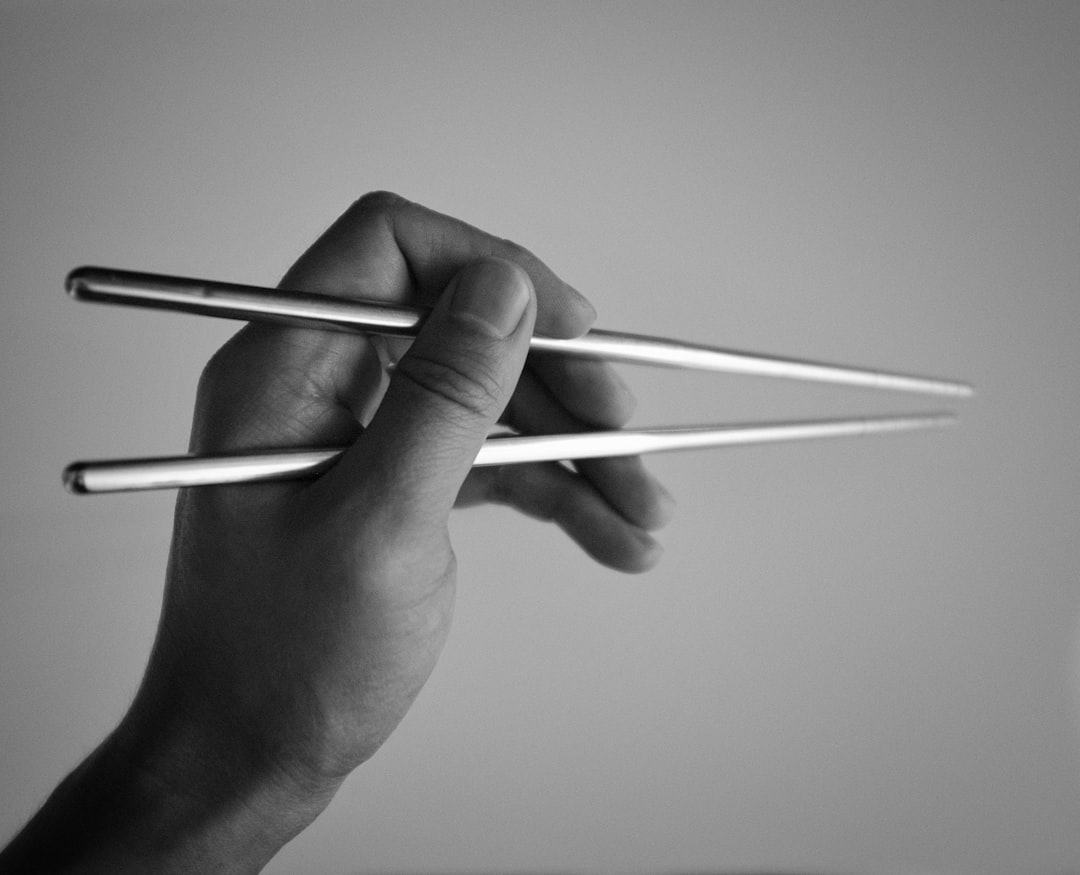
Millions of people around the world eat with chopsticks every day — yet for left-handers, nearly every tutorial, diagram, and demonstration is designed for right-handed users. That leaves lefties fumbling through meals, crossing sticks, and dropping food. The good news: the technique is essentially a perfect mirror image of the right-handed grip. Once you understand the mechanics, holding chopsticks with your left hand is just as intuitive as using a pen or pencil. Here is everything you need to know to master it.
Is It Okay to Use Chopsticks with Your Left Hand?
Absolutely. Using chopsticks left-handed is not rude in Japan or China — it is simply less common, since most people in those countries are right-handed. Modern restaurants and urban dining settings are fully tolerant of left-handed chopstick users. The etiquette rules that genuinely matter — such as never sticking chopsticks upright in rice or passing food directly from chopstick to chopstick — apply equally to both hands. So relax: your dominant hand is the right choice.
Choosing the Right Chopsticks
Before you practice your grip, pick the right tools. Wooden or bamboo chopsticks are lightweight and provide excellent friction — ideal for beginners who are still developing control. Metal chopsticks can be slippery and harder to manage at first. As for length, aim for around 23 cm (roughly 9 inches) as an adult starting point; if chopsticks feel too long and unwieldy, go slightly shorter. Some left-handed beginners also find that flat Korean-style chopsticks are easier to align than rounded or tapered Japanese ones.
If you want extra help building muscle memory, left-handed training chopsticks from brands like Edison Friends feature mirrored silicone finger rings that guide correct placement from the start — so your index finger sits on exactly the right side of the stick to angle the tip toward food.
Step-by-Step: How to Hold Chopsticks with Your Left Hand
The entire technique hinges on one key principle: only one chopstick ever moves. The bottom stick is your anchor; the top stick does all the work. Mirror these steps in your left hand:
- Set the anchor stick (bottom chopstick). Pick up the first chopstick and place it between the base of your left thumb and the side of your left hand, resting it on your ring finger. The broad (top) end sits in the web between your thumb and index finger, while the narrow tip points away from you. This stick should feel locked in — virtually immobile. Think of it as the fixed jaw of a pair of tongs.
- Add the moving stick (top chopstick). Hold the second chopstick between your left thumb and index finger, the same way you would hold a pencil or pen. Your middle finger helps stabilize it from below. This stick rests above and parallel to the first one.
- Align the tips. Look at the narrow tips of both chopsticks — they must be even with each other. Uneven tips make it nearly impossible to pinch food cleanly. A quick fix: gently tap the tips on the table to level them out before you begin eating.
- Check your posture. Your grip should feel relaxed, not tense. A tight, white-knuckle grip leads to fatigue and loss of precision. Your thumb stays relatively straight and still, while your index and middle fingers do the opening and closing movement on the top stick.
- Practice the open-and-close motion. Before you go for any food, open and close the chopsticks a few times. The bottom stick should stay perfectly still. Only the top one moves toward and away from the lower one. This pinching motion is what picks up food. If the sticks cross into an X shape, reset and adjust your grip.
- Approach food at a 45-degree angle. Lower the chopstick tips toward your food at roughly 45 degrees, open them slightly, close them around the piece, then lift straight up. Start with larger, solid items — a chunk of tofu, a piece of broccoli, or a slice of meat. Slippery or very small foods like individual grains of rice are an advanced challenge; save those for later.
Common Mistakes and How to Fix Them
- The sticks cross into an X. This is the most common beginner error, and it makes picking up food nearly impossible. It usually means the anchor stick is not truly locked in place. Re-seat it firmly against the ring finger and the base of the thumb before trying again.
- Gripping too tightly. Squeezing hard feels more secure but actually reduces control and causes finger fatigue quickly. Keep the grip loose and let the natural pivot point — the thumb — do its job.
- Moving both sticks. If you notice both sticks wiggling, consciously press the anchor stick down against your ring finger to lock it. The moving stick alone should be doing all the work.
- Tips out of alignment. If one tip extends further than the other, you will not be able to grip food precisely. Always align the tips before eating, using the tabletop tap technique if needed.
- Holding too far forward. Chopsticks should be held toward their upper third, not in the middle or near the tip. Gripping too close to the food end gives you very little leverage.
A 10-Minute Daily Practice Routine
Consistency beats long marathon sessions when building any fine motor skill. Try this short daily drill:
- Minutes 1–3: Practice the open-and-close motion in the air, focusing on keeping the bottom stick completely still.
- Minutes 4–7: Pick up easy-to-grasp practice objects — marshmallows, grapes, or large pasta pieces work great. Once comfortable, move on to smaller items.
- Minutes 8–10: Challenge yourself with something slippery or small, like blueberries or chickpeas.
With daily practice using removable-ring training chopsticks, most beginners develop functional muscle memory in about three to four weeks. When transitioning away from training aids, remove one ring at a time rather than ditching them all at once.
Left-Handed Chopstick Etiquette
Proper table manners apply to both hands equally, and following them shows cultural awareness regardless of which hand you use. Here are the core rules recognized across Japanese, Chinese, and Korean dining traditions:
- Never stand chopsticks upright in food, especially rice. This resembles incense burned at funerals and is considered deeply inauspicious.
- Do not pass food chopstick-to-chopstick. Transferring food directly between two people's chopsticks mirrors a funeral ritual involving cremated remains.
- Do not point with chopsticks. Pointing at people with any utensil is rude; doing it with chopsticks is considered especially disrespectful.
- Rest them properly when not in use. When finished or taking a break, lay your chopsticks flat and parallel in front of you, with the tips pointing to the right (the natural direction for left-handers). Use a chopstick rest when one is provided.
- Do not spear food. Stabbing items as if using a fork is a common beginner shortcut but goes against proper etiquette.
- At shared dishes, use a separate serving pair — or flip your chopsticks around and use the clean reverse end — rather than dipping your personal chopsticks into communal food.
For a deeper dive into the cultural significance behind these rules, Fine Dining Lovers offers a detailed etiquette guide covering differences between Japanese, Chinese, and Korean customs.
What About Formal or Cultural Settings?
At formal business dinners or traditional family meals in East Asia, etiquette details carry more weight. The specific rules above — not the hand you use — are what signal respect and upbringing in those settings. Focus on mastering the etiquette rules, and your left-handedness will be a non-issue. For extra guidance on dining in Japan specifically, Tsunagu Japan has a video tutorial with both right-handed and left-handed examples side by side.
FAQ
Is it rude to use chopsticks with your left hand in Japan or China?
No. Using chopsticks left-handed is socially acceptable in both Japan and China. It may draw mild curiosity since most people are right-handed, but it is not considered impolite. The etiquette rules that matter most — such as never sticking chopsticks upright in rice and not passing food between chopsticks — apply to both hands equally.
Is the left-handed chopstick technique different from right-handed?
It is a perfect mirror image. All the same principles apply: one chopstick stays anchored (resting on the ring finger and thumb base) while the upper chopstick moves using the index and middle fingers. Simply perform every step with your left hand instead of your right.
What are the best chopsticks for a left-handed beginner?
Wooden or bamboo chopsticks are recommended for beginners due to their light weight and better grip. If you want training assistance, left-handed specific training chopsticks (such as the Edison Friends Penguin Left Hand model) feature mirrored finger rings to guide correct placement. For adults, look for a shaft of at least 23 cm (about 9 inches) in length.
How long does it take to learn to use chopsticks with my left hand?
Most beginners develop functional control within a few weeks of daily practice. Starting with large, solid foods and gradually moving to smaller or more slippery items helps build confidence progressively. Using removable-ring training chopsticks and removing one ring at a time (rather than all at once) is an effective transition strategy.
Sources
- How to use chopsticks left-handed – Lefthanded.io
- How to Use Chopsticks Left & Right Handed – Lefties Rock
- How To Use Chopsticks Left Handed – Why So Japan
- How to Use Chopsticks – Step-by-Step for Beginners – Beautiful Chopsticks
- Chopstick Etiquette: Essential Rules and Common Mistakes – Fine Dining Lovers
- Chopsticks – Japan Guide
- How to Hold Chopsticks Properly (Left and Right Handed) – Tsunagu Japan
- 5 Best Chopsticks For Beginners – Home to Sight
- Edison Friends Left Handed Training Chopsticks – Amazon