How to Help Your Dog Lose Weight: A Vet-Backed Guide
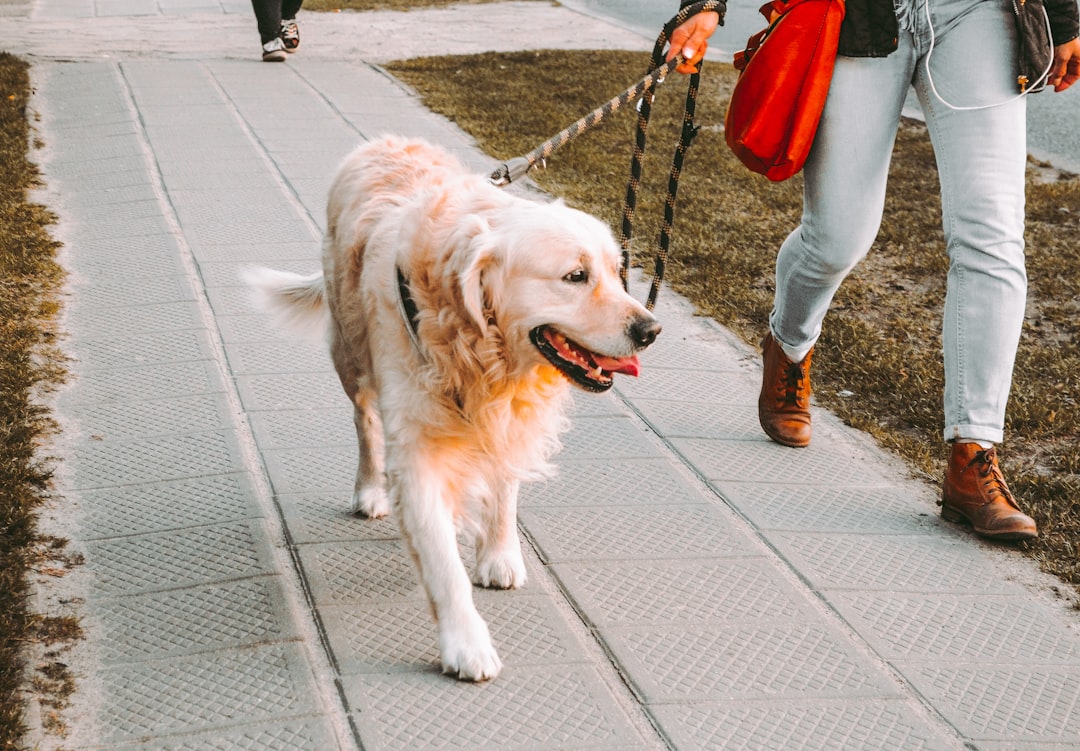
If your dog has been moving a little more slowly on walks, or if your vet recently mentioned that extra padding around the ribs, you're far from alone. More than half of all U.S. dogs are overweight or obese—and the trend is still climbing. The good news: with a methodical, vet-guided plan, most dogs can shed the excess weight safely and live longer, healthier lives. Here is everything you need to know about how to help your dog lose weight the right way in 2026.
Why Dog Obesity Is a Bigger Deal Than It Looks
That "cuddly" extra layer of fat carries serious consequences. Research published in a peer-reviewed study found that dogs with an obese body condition have a life expectancy roughly 1.5 years shorter than dogs in ideal condition. Obesity is also linked to a long list of co-morbidities, including diabetes, orthopedic disease, altered heart function, brachycephalic airway syndrome, and certain tumors. Beyond the physical toll, excess weight causes lethargy and limits a dog's natural mobility, affecting their quality of life every single day.
Certain dogs face extra risk: neutered males are up to 2.6 times more likely to become overweight than intact males, and the risk rises with the age of both the pet and the owner. None of this means weight loss is impossible—it just means acting sooner rather than later matters enormously.
Step 1: Visit Your Vet First
Before changing a single cup of kibble, book a veterinary exam. Your vet will assess your dog's Body Condition Score (BCS), muscle condition, current weight, and a realistic target weight. This step is essential because conditions like hypothyroidism and Cushing's disease can drive weight gain even when diet and exercise seem adequate—and those require diagnosis and specific treatment, not simply fewer calories. Your vet can also identify joint pain or heart issues that would affect how exercise should be structured.
The Association for Pet Obesity Prevention (APOP) recommends using breed weight ranges only as a general reference—not as the definitive target—because age, frame, muscle condition, and overall health all influence what the ideal weight looks like for an individual dog.
Step 2: Do the Math on Calories
For dogs, the food bowl is where weight loss is won or lost. Your vet will help calculate a starting daily calorie goal, and from that point, precision becomes your best friend. Many owners eyeball portions or use oversized scoops—and consistently guess high without realizing it. The most accurate method for ensuring consistent portion sizes is to weigh food in grams using a kitchen scale, rather than relying on measuring cups, which can be inaccurate for dry kibble due to variations in kibble size and shape.
Avoid "free feeding" (leaving food out all day). Most dogs aren't good at pacing themselves, and behavioral factors like boredom can push them to eat far more than they need. Scheduled meals—typically twice a day—give you full control over intake and help your dog settle into a healthier routine.
Step 3: Choose the Right Food
Many dogs do best on a diet specifically formulated for weight loss. These foods are engineered to have lower calories per cup, higher fiber, and lower fat—so your dog eats a satisfying volume without exceeding their daily calorie budget. Cornell University's College of Veterinary Medicine notes that a weight-loss diet should target around 300 calories per cup as a general benchmark. The higher fiber content helps dogs feel full and keeps them from pestering you for more food between meals.
Be cautious of trendy boutique, grain-free, or "ancestral" diets that sound appealing but are often high in fat and calories and may not be balanced for weight control. Always ask your vet to vet (pun intended) any food switch, especially if your dog has additional health conditions.
Step 4: Rethink Treats Completely
Treats are one of the most overlooked calorie sources in a dog's diet. Left untracked, treats can account for more than a third of a dog's daily caloric intake. The widely accepted guideline is to keep treats to no more than 10% of your dog's total daily calories—and to account for every single one.
The fix doesn't have to mean depriving your dog of rewards. Swap high-calorie biscuits and fatty chews for low-calorie alternatives like snap peas, carrots, blueberries, green beans, or small pieces of apple (core and seeds removed). Dogs value frequency over size—five tiny rewards feel just as satisfying as one large treat, so break them into smaller pieces to stretch your treat budget further without adding calories.
Also watch for "hidden" calories from table scraps. Human food is often high in fat and can contribute to unintentional weight gain—and some human foods (chocolate, grapes, onions) are outright dangerous for dogs.
Step 5: Build a Consistent Exercise Routine
Exercise alone won't do the heavy lifting—dietary changes are the main driver of weight loss—but physical activity is a critical complement to any calorie-reduction plan. Low-impact exercises like walking and swimming are ideal because they burn calories while protecting joints and maintaining muscle mass. For overweight dogs without joint, heart, or respiratory problems, a common starting point recommended by veterinarians is 30 minutes of brisk walking five days a week, building gradually from there.
Most dogs need between 20 and 60 minutes of walking or active play per day, with high-energy breeds often needing more than an hour. If your dog has been sedentary for a while, start slowly—a heavily overweight dog needs time to build stamina and avoid injury, just like a person returning to the gym after a long break. Encouragement, favorite toys, and quality time with you are all powerful motivators to get a reluctant pup moving.
Step 6: Track Progress and Adjust
Weigh your dog at least every two weeks. A safe and healthy rate of weight loss is generally 1–2% of body weight per week—for a 50-pound dog, that translates to roughly half a pound to one pound per week. Many veterinary weight-loss plans aim for a target of about 3–5% of current body weight lost per month, though the right pace depends on your dog's starting condition and health status.
Keep a simple log of your dog's weight, daily food amount, and activity. This record will be invaluable at follow-up vet appointments and will help you spot whether adjustments are needed. If your dog's weight plateaus despite sticking to the plan, return to the vet—it may be time to tweak calories, check for underlying issues, or reassess the target weight.
Once your dog reaches their goal weight, don't rush to increase calories. When more calories are needed for maintenance, the typical adjustment is about 10–15% more than what was fed during the active weight-loss phase. Jumping too fast risks rebound weight gain.
Step 7: Get the Whole Household on Board
A weight-loss plan falls apart fast if one family member is slipping the dog extra bites at the dinner table or pouring a generous "bonus" scoop at breakfast. Everyone in the household needs to understand the daily calorie budget and the treat rules. Consistency across all caretakers—including dog walkers, pet sitters, and grandparents—is just as important as the plan itself. Consider posting the daily food allowance on the fridge as a simple visual reminder.
Common Pitfalls to Avoid
- Eyeballing portions: Even a small daily overpour adds up to significant overfeeding over weeks and months. Use a kitchen scale.
- Not adjusting for age: Older dogs generally need fewer calories than younger ones. Switch to a life-stage-appropriate food as your dog ages.
- Going too fast: Drastically cutting food overnight is not safe or sustainable. Reduce gradually and follow your vet's calorie targets.
- Skipping the vet check: Medical causes of weight gain (thyroid disease, Cushing's) won't respond to diet and exercise alone.
- Relying on exercise alone: Physical activity is vital but is generally insufficient for meaningful weight loss without dietary changes.
- Ignoring treat calories: Every dental chew, training treat, and table scrap counts. Track them all.
A Quick Word on Supplements
Some veterinarians may discuss weight-loss supplements as part of a broader plan. Supplements alone will not produce meaningful results, but certain ingredients—such as L-carnitine, dietary fiber, and probiotics—have been studied for their potential to support fat metabolism, promote fullness, and aid gut-driven metabolism. Always get a vet assessment before adding any supplement to your dog's regimen, and treat them as a supportive add-on rather than a shortcut.
For more guidance, the American Kennel Club's nutrition resource on safe dog weight loss and the Association for Pet Obesity Prevention both offer evidence-based tools, body condition scoring charts, and calorie calculators to support your journey.
Helping your dog reach a healthy weight is one of the most impactful things you can do for their long-term health and happiness. It takes commitment, consistency, and a good partnership with your vet—but the payoff is a more energetic, comfortable companion who gets to spend more years by your side.
FAQ
How quickly should my dog lose weight?
A safe rate is roughly 1–2% of body weight per week. Many vet-guided plans target 3–5% of current body weight lost per month. Losing weight faster than this can cause muscle loss and other health problems, so patience and consistency matter more than speed.
Can I just increase my dog's exercise to help them lose weight, without changing their diet?
Exercise is an important part of any weight-loss plan, but research consistently shows it is generally insufficient on its own for meaningful weight loss in dogs. Dietary changes—reducing calories and improving food quality—are the primary driver. Exercise complements and accelerates the results.
How do I know if my dog is overweight at home, without a vet visit?
A quick at-home check is the rib test: you should be able to feel your dog's ribs easily with light finger pressure but not see them prominently. When you look at your dog from above, they should have a visible hourglass shape. From the side, their belly should tuck up rather than hang level with the chest. If these signs are absent, it's time to consult your vet.
What are the best low-calorie treat options for a dog on a diet?
Veterinarians commonly recommend dog-safe vegetables and fruits such as carrots, green beans, snap peas, blueberries, and small slices of apple (without seeds or core). These are naturally low in calories and high in fiber. Whatever treats you use, keep the total treat calories to no more than 10% of your dog's daily calorie budget and account for every treat in the day's tally.
Sources
- How to Help Your Dog Lose Weight Safely | APOP
- Obesity and Weight Loss in Dogs | Cornell University College of Veterinary Medicine
- How to Help Your Dog Lose Weight – American Kennel Club
- Overweight and obese body condition in dogs and cats | ScienceDirect
- Pet Obesity Statistics & Trends 2026 | Dogster
- How To Help My Dog Lose Weight | PetMD
- How To Exercise Your Dog To Lose Weight | AKC Pet Insurance
- Biggest Feeding Mistakes Pet Owners Make | VCA Hospitals