How to Cook Bacon in the Oven on Parchment Paper
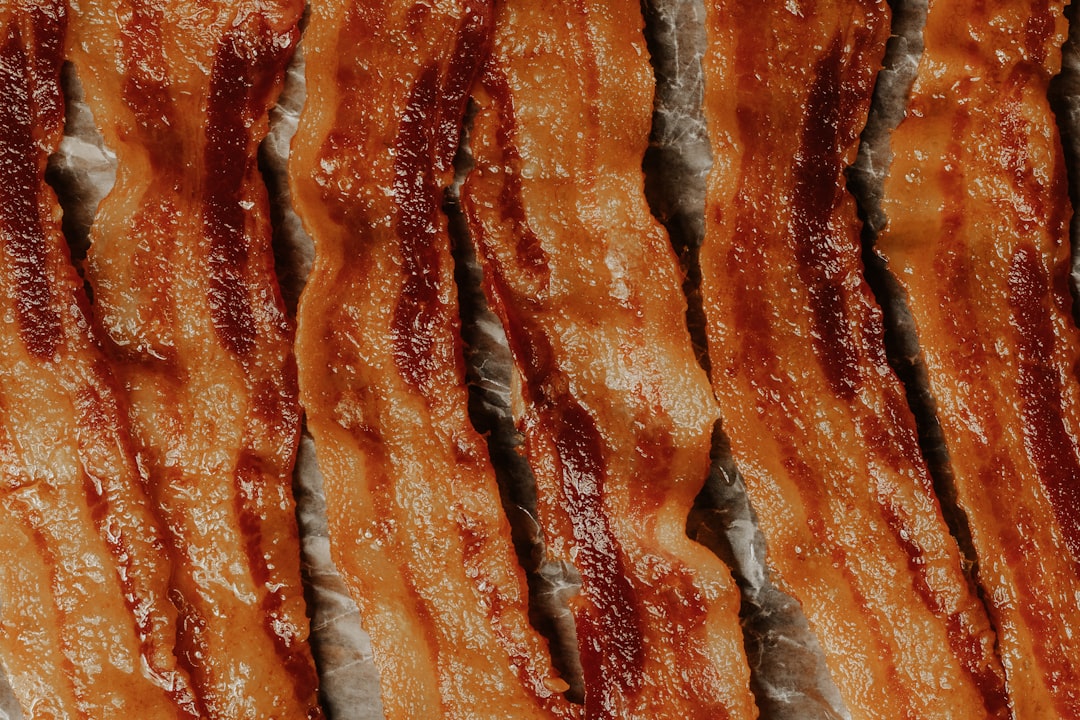
If you still cook bacon in a skillet, dodging hot grease while trying to flip strips one at a time, there is a genuinely better way — and it has been hiding in your oven this whole time. Cooking bacon on parchment paper in the oven delivers evenly crisped strips with almost no mess, no spattering, and no standing over the stove. Whether you are feeding a crowd at brunch or meal-prepping for the week, this method is a game-changer that requires just a baking sheet, parchment paper, and about 20 minutes.
Why Cook Bacon in the Oven on Parchment Paper?
The advantages over stovetop cooking are hard to argue with. Oven heat circulates around every strip, so bacon browns at the same rate from end to end without constant attention. Parchment paper acts as a non-stick barrier, meaning nothing fuses to the pan — once the grease cools, you simply roll up the paper and throw it away. A standard large rimmed sheet pan holds 12 to 16 slices at once, making it the clear choice any time you need more than a couple of pieces. And because the fat renders gently rather than spitting from a screaming-hot pan, your stovetop, walls, and wrists stay grease-free.
What You Need
- 1 lb bacon (regular or thick-cut)
- 1 large rimmed baking sheet — the rim is essential to contain the rendered fat
- Parchment paper — check the box for its maximum heat rating before you start
- Tongs and a paper-towel-lined plate for draining
Step-by-Step: How to Cook Bacon in the Oven on Parchment Paper
- Position the oven rack. Place a rack in the middle of the oven. Avoid the lowest position — the heat there is too direct and the bacon can burn before it crisps.
- Preheat to 400°F (204°C). This is the sweet spot recommended by most culinary experts. It is hot enough to render fat efficiently and trigger deep browning, but gentle enough to avoid scorching. If your parchment paper is rated lower than 425°F, stay at 400°F or below — always check the maximum temperature printed on the box.
- Line the pan with parchment paper. Tear off a sheet large enough to overhang all four sides of the rimmed baking sheet. That overhang matters: it makes it much easier to lift the whole liner — pooled grease and all — off the pan when you're done.
- Arrange bacon in a single layer. Lay strips side by side across the parchment. Slices can be close together or even touching at the edges, but do not let them overlap. Overlapping strips trap steam between them, which prevents crisping and causes them to stick together during cooking.
-
Bake — and watch the clock. Slide the pan into the oven and set a timer:
- Regular-cut bacon: 14–20 minutes, depending on your oven and desired doneness
- Thick-cut bacon: 20–30 minutes
- Turkey bacon: 10–15 minutes (cooks faster, so watch closely)
- Flip halfway through (optional but helpful). If you're cooking without a wire rack, flipping the strips at the midpoint helps both sides brown evenly, especially with thicker cuts. It is also a good moment to rotate the pan, since most ovens have a hot spot toward the back.
- Drain on paper towels. Use tongs to transfer the finished strips to a paper-towel-lined plate. Bacon continues to crisp as it cools, so pull it from the oven when it looks just slightly underdone for your preference.
- Save the bacon grease (optional). Once the fat on the pan has cooled slightly, pour it through a fine-mesh strainer into a heatproof glass jar and refrigerate. Bacon grease has a high smoke point and adds incredible depth to sautéed vegetables, fried eggs, and cornbread.
Temperature Guide: 375°F vs. 400°F vs. 425°F
Most home cooks land on 400°F as the ideal oven temperature for parchment-paper bacon — hot enough for the Maillard browning reaction that creates flavor, cool enough to avoid burning. If you prefer a slower, more controlled cook, 375°F works well, though you will add several minutes to the total time. At 425°F, bacon cooks faster (roughly 12–15 minutes), but you need to watch it much more closely, and you must confirm your parchment paper is rated for that temperature — some brands are only certified to 425°F, and others lower. Never use parchment paper under the broiler.
Parchment Paper vs. Aluminum Foil: Which Is Better?
Both work, but they behave differently. Parchment paper is naturally non-stick, which makes it superior for thin-cut bacon that might otherwise fuse to the pan. Its main limitation is that grease can seep underneath the paper if it isn't pressed against the pan snugly, which reduces its cleanup advantage. Foil, on the other hand, holds grease more reliably, but bacon (especially thin strips) tends to stick to plain foil. Some cooks use a double layer of foil topped with a sheet of parchment paper for the best of both worlds. One thing to avoid: don't crowd the pan. Overcrowding causes strips to steam in their own fat rather than roast, yielding chewy, pale bacon instead of crispy, golden strips.
Common Mistakes to Avoid
- Overlapping strips. Strips that touch side-by-side are fine; strips that lie on top of each other will steam and stick together.
- Skipping the rimmed pan. A flat cookie sheet with no rim risks bacon fat dripping onto the oven floor and smoking. Always use a sheet pan with raised edges.
- Using parchment above its rated temperature. Check the box — most parchment paper brands are rated to 425°F, and some lower. Exceeding that limit can cause the paper to darken, smoke, or ignite.
- Not checking early enough. Bacon thickness and oven calibration vary widely. Start checking at 12 minutes and adjust from there rather than setting a timer and walking away.
- Pulling it out too late. Because bacon crisps further as it cools on the paper towel, removing it when it looks "perfect" in the oven often means it will be overdone on the plate. Pull it a touch early.
Flavor Upgrades: Beyond Plain Bacon
Once you have the basic method down, the oven lends itself beautifully to glazed variations. For candied bacon, sprinkle brown sugar over the strips before baking, as popularized by Food Network's brown sugar bacon recipe. For a sweet-smoky-spicy version, try whisking maple syrup with a pinch of cayenne and coating each strip before it goes in. You can also brush on a thin layer of mustard and a dusting of brown sugar before baking for a tangy glaze. These variations may add 5–10 minutes to your total cook time because the sugar needs time to caramelize rather than burn.
Storing and Reheating Leftover Oven Bacon
Cooked bacon keeps in an airtight container in the refrigerator for up to five days, making it ideal for meal prep. To reheat, lay strips on a microwave-safe plate lined with a paper towel and heat in 20-second bursts, or warm them in a 350°F oven for a few minutes until sizzling. For more guidance on bacon storage and food safety, refer to the USDA's official bacon food safety guidelines.
For a comprehensive look at oven bacon timing across different brands and cuts, Foxes Love Lemons has logged cook times for many popular grocery store brands — well worth bookmarking. And if you want a deeper dive into the science of why 400°F is the "Goldilocks" temperature, The Sweet and Simple Kitchen's 2026 guide breaks it down clearly. For a trusted baseline recipe, The Kitchn's classic oven bacon method remains one of the most-cited references on the subject.
FAQ
Do I need to flip bacon when cooking it on parchment paper in the oven?
Not necessarily — one of the biggest advantages of the oven method is that circulating heat browns both sides without flipping. That said, flipping the strips halfway through can help thick-cut bacon cook more evenly. If you do flip, it's also a good time to rotate the pan front-to-back to compensate for your oven's hot spots.
What temperature should I use to cook bacon in the oven on parchment paper?
400°F (204°C) is the most widely recommended temperature. It renders fat efficiently and produces deep, even browning without burning. You can go as low as 375°F for a slower, gentler cook or up to 425°F for a faster result — but always check that your parchment paper is rated for the temperature you choose.
How long does it take to cook bacon in the oven on parchment paper?
At 400°F, regular-cut bacon typically takes 14–20 minutes, and thick-cut bacon can take 20–30 minutes. Start checking at the 12-minute mark, as oven strength and bacon thickness both affect the time. Pull the bacon just before it looks done — it continues to crisp as it cools on paper towels.
Can I use parchment paper at 425°F for bacon?
It depends on your specific brand of parchment paper. Most standard parchment paper is rated to around 425°F, but some are rated lower. Always check the maximum temperature printed on the box before using it at high heat. When in doubt, cook at 400°F to stay safely within the paper's limits.
Sources
- How to Cook Bacon in the Oven – The Stay At Home Chef
- How to Cook Bacon in the Oven (Easy & Crispy) – Downshiftology
- How to Cook Perfect Bacon in the Oven – The Kitchn
- How to Cook Bacon in the Oven – The Novice Chef
- How to Cook Bacon in the Oven with Parchment Paper – Midwestern HomeLife
- How to Cook Bacon in the Oven 2026 (Crispy Every Time) – The Sweet and Simple Kitchen
- A Guide to Cook Bacon in Oven – Foxes Love Lemons
- 10 Essential Tips For Cooking Bacon In The Oven – Food Republic
- Parchment Paper Mistakes That Are Ruining Your Cooking – Recipe Heaven
- Brown Sugar Bacon Recipe – Food Network