How to Cook Quinoa Perfectly Every Time
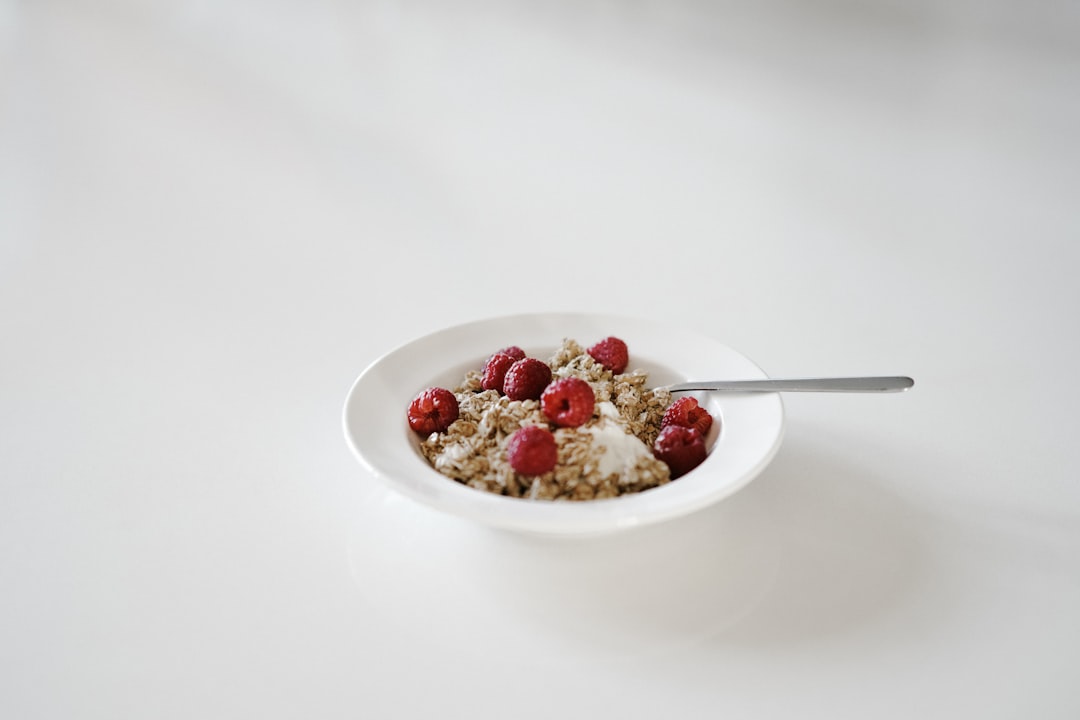
Quinoa (pronounced keen-wah) has quietly become one of the most searched ingredients in home kitchens across 2026 — and for good reason. It is naturally gluten-free, packed with all nine essential amino acids, high in magnesium, iron, and fiber, and it cooks faster than most grains. Yet despite all that potential, a surprising number of cooks end up with a pot that is bitter, mushy, or just plain bland. The difference between a gummy disappointment and a bowl of perfectly fluffy, nutty quinoa comes down to three fundamentals: rinsing, the right liquid ratio, and resting. Get those right, and you will never look back.
What Exactly Is Quinoa?
Quinoa is technically a seed, not a grain — a pseudocereal derived from the Chenopodium plant that originated in the Andes. It behaves like a grain in the kitchen, absorbing liquid and expanding as it cooks, but its nutritional profile is far more impressive. Compared with white rice, quinoa offers roughly twice the protein and significantly more fiber per cup. When cooked, one cup of dry quinoa produces approximately three cups of cooked quinoa — enough to serve four as a side dish or two to three people as the main component of a grain bowl or salad.
Step-by-Step: The Perfect Stovetop Method
The stovetop remains the most popular and reliable method. It gives you full visual control over the cooking process and works beautifully for beginners and experienced cooks alike. Here is exactly how to do it:
- Rinse thoroughly. Place your quinoa in a fine-mesh strainer and run it under cold water for 30 to 60 seconds, swirling it with your hand. Quinoa seeds are coated in saponins — a naturally occurring compound that tastes bitter and soapy. Even if the package says "pre-rinsed," a quick rinse at home makes a noticeable difference in the final flavor. You may see a slightly milky-colored water running off — that is the saponins washing away.
- Optional but recommended: Toast it first. For an extra layer of depth, heat a dry skillet over medium heat and add your rinsed (and well-drained) quinoa. Stir frequently for about 5 to 7 minutes until the seeds turn golden brown and emit a nutty aroma. Toasting drives off surface moisture and develops a richer, nuttier flavor that persists through cooking — think of it like toasting bread: same ingredient, entirely different experience. It also makes the grains firmer and less sticky.
- Use the correct water ratio. This is the single most important variable. Use 1 cup of quinoa to 1¾ cups of water or broth. Many older recipes and package instructions call for a 1:2 ratio, but that is too much water and the most common reason quinoa turns out mushy. For an even bigger flavor boost, swap all or part of the water for vegetable or chicken broth — every grain absorbs the savory depth as it cooks.
- Season the cooking liquid. Add at least ½ teaspoon of kosher salt per 1¾ cups of liquid. Forgetting to salt your cooking water is like serving pasta without sauce — the quinoa will taste flat no matter how well you execute the other steps. You can also add garlic powder, onion powder, or a bay leaf for extra complexity.
- Bring to a boil, then reduce heat immediately. Combine the rinsed quinoa and liquid in a medium saucepan. Bring the mixture to a boil over medium-high heat. The moment it reaches a rolling boil, reduce the heat to low. Cover and simmer for exactly 15 minutes. Do not lift the lid. Do not stir. Treat it like rice — once it is simmering, leave it completely alone.
- Rest it off the heat. Once the liquid is absorbed, remove the saucepan from the heat, keep the lid on tightly, and let the quinoa sit for 5 minutes. This allows residual steam to finish the cooking process while keeping the grains light and separate.
- Fluff with a fork. Remove the lid and gently run a fork through the quinoa to separate the grains. Look for tiny white spirals — the germ — curling away from many of the seeds. That is your visual cue that it is perfectly done.
The Water Ratio Debate: What the Experts Actually Agree On
The quinoa-to-water ratio is the most hotly contested variable in quinoa cookery, and package instructions are often wrong. The current consensus among food writers and experienced home cooks is that 1 cup quinoa to 1¾ cups liquid produces the best result for stovetop cooking: fluffy, distinct grains without any waterlogging. If you want a softer texture for porridge or casseroles, you can nudge that up to about 2¼ cups of liquid. Want it firmer for salads and grain bowls? Stick to 1¾ cups or slightly less.
The ratio also changes depending on your cooking method. For a pressure cooker or Instant Pot, reduce the liquid to 1½ cups per cup of quinoa because the sealed environment retains more moisture. For a rice cooker, a 1:2 ratio works well since the machine's automatic cycle accounts for steam loss. See the Quinoa Kitchen's complete method guide for detailed ratios across all appliances.
Alternative Cooking Methods
Instant Pot / Pressure Cooker
The Instant Pot makes quinoa almost entirely hands-off — particularly useful when you are multitasking in the kitchen. Use 1 cup quinoa to 1½ cups water, cook on high pressure for 1 minute, then allow a natural pressure release of 10 minutes before opening the lid. Do not quick-release: doing so immediately produces mushier results because the grains have not finished absorbing moisture.
Rice Cooker
The rice cooker is ideal for batch cooking and meal prep. Use a 1:2 ratio (quinoa to water) and let the machine run its standard cycle. The keep-warm function is a bonus — it gently steams the quinoa after the cycle ends, acting as a built-in resting period.
Microwave
In a pinch, quinoa can be cooked in the microwave. Combine rinsed quinoa and liquid in a large microwave-safe bowl (quinoa expands significantly), cover loosely, and cook on high in 5-minute intervals, checking after each, until all liquid is absorbed. Let rest covered for 5 minutes before fluffing.
The 5 Most Common Quinoa Mistakes — and How to Fix Them
- Skipping the rinse. The saponins coating raw quinoa taste bitter and soapy. Even "pre-washed" commercial quinoa benefits from another rinse at home. Never skip this step.
- Using too much water. The 1:2 ratio printed on many packages leads to waterlogged, gummy quinoa. Use 1¾ cups of liquid per cup of dry quinoa for stovetop cooking.
- Stirring during cooking. Stirring breaks the grains and releases excess starch, making the texture gluey. Put the lid on and walk away.
- Skipping the rest. Draining or serving the quinoa immediately after cooking traps moisture and causes clumping. Always let it sit, covered, off the heat for at least 5 minutes.
- Not seasoning the water. Quinoa soaks up whatever liquid surrounds it. Unsalted water yields bland results. Salt generously, or use broth for maximum flavor impact. As The Kitchn puts it, the cooking liquid is crucial to the taste of the final product.
How to Make Quinoa Taste Better
Plain quinoa can be underwhelming on its own, but it is one of the most flavor-absorbent ingredients you can cook with. Beyond using broth instead of water, try these upgrades:
- Finish with a drizzle of olive oil plus a squeeze of lemon or lime juice.
- Add a clove of garlic or a bay leaf to the cooking liquid and remove before serving.
- Fold in fresh herbs — parsley, cilantro, or mint — right after fluffing.
- Top with toasted nuts or seeds (almonds, pepitas, sesame seeds) for crunch and contrast.
- For meal prep salads, dress the quinoa while it is still slightly warm so it absorbs the vinaigrette rather than sitting in it.
For a deep dive into flavor combinations, Quinoa Kitchen's flavor guide offers fifteen tested upgrades.
Storage and Meal Prep
Quinoa is one of the best grains for weekly meal prep. Cook a large batch at the start of the week and you have a versatile base ready for bowls, salads, soups, and sides. Once cooked, cool the quinoa to room temperature within two hours — never put a hot pot directly into the fridge, as it raises the internal temperature of the refrigerator and promotes condensation. Store in an airtight container and it will keep safely for 5 to 7 days in the refrigerator. For meal-prep salads that include fresh vegetables or dressings, consume within 3 to 5 days.
For longer storage, freezing is an excellent option. Spread cooled quinoa on a parchment-lined baking sheet to prevent clumping, then transfer to freezer-safe bags or containers. Frozen quinoa keeps its quality for up to 8 to 12 months. To reheat from frozen, move the container to the fridge overnight for a gentle thaw, or microwave from frozen in a covered microwave-safe dish for about 45 seconds. For refrigerated leftovers, add a small splash of water before microwaving to restore the fluffy texture. You can read more about safe storage timelines at Clean Green Simple.
Nutritional Highlights Worth Knowing
Quinoa's nutritional credentials are part of why it has held a spot on trending search lists for years running. It provides all nine essential amino acids — making it one of the few plant foods that qualifies as a complete protein — along with magnesium, iron, and fiber. It is also naturally gluten-free, which makes it a practical alternative for anyone avoiding wheat, rye, or barley. According to WebMD, one cup of cooked quinoa contains around 8 grams of protein. It also has more protein and fiber than both white and brown rice, and because of that, it tends to keep you feeling full longer. Learn more about its full nutritional profile at WebMD's quinoa health benefits guide.
FAQ
What is the best water-to-quinoa ratio for fluffy results?
For stovetop cooking, use 1 cup of quinoa to 1¾ cups of liquid. The commonly printed 1:2 ratio results in too much water and produces mushy, gummy quinoa. For an Instant Pot, reduce to 1½ cups of liquid; for a rice cooker, a 1:2 ratio works because the machine accounts for steam loss.
Do I really need to rinse quinoa before cooking?
Yes — always. Quinoa is coated in naturally occurring compounds called saponins that taste bitter and soapy. Even if the package says 'pre-rinsed,' a 30- to 60-second rinse under cold running water in a fine-mesh strainer makes a noticeable difference in the final flavor.
Why does my quinoa always come out mushy?
The most common culprits are using too much water (stick to 1¾ cups per cup of dry quinoa for stovetop), lifting the lid during cooking, or skipping the 5-minute rest off the heat. Also avoid stirring during simmering, which breaks the grains and releases excess starch.
How long does cooked quinoa last in the fridge?
Properly stored in an airtight container, cooked quinoa lasts 5 to 7 days in the refrigerator. Cool it to room temperature within two hours of cooking before refrigerating. For longer storage, freeze it in airtight containers for up to 8 to 12 months.
Sources
- How to Cook Quinoa Perfectly Every Time | Quinoa Kitchen
- 5 Mistakes to Avoid When Making Quinoa | The Kitchn
- How to Cook Quinoa Perfectly | Inspired Taste
- How to Cook Quinoa (Perfect Every Time) | Eating Bird Food
- How to Cook Fluffy Quinoa | Love and Lemons
- How Long Does Quinoa Last In the Fridge? | Clean Green Simple
- Quinoa Water Ratio Guide | The Living Look
- How to Make Quinoa Taste Good | Quinoa Kitchen