How to Pronounce Lughnasadh: The Complete Guide
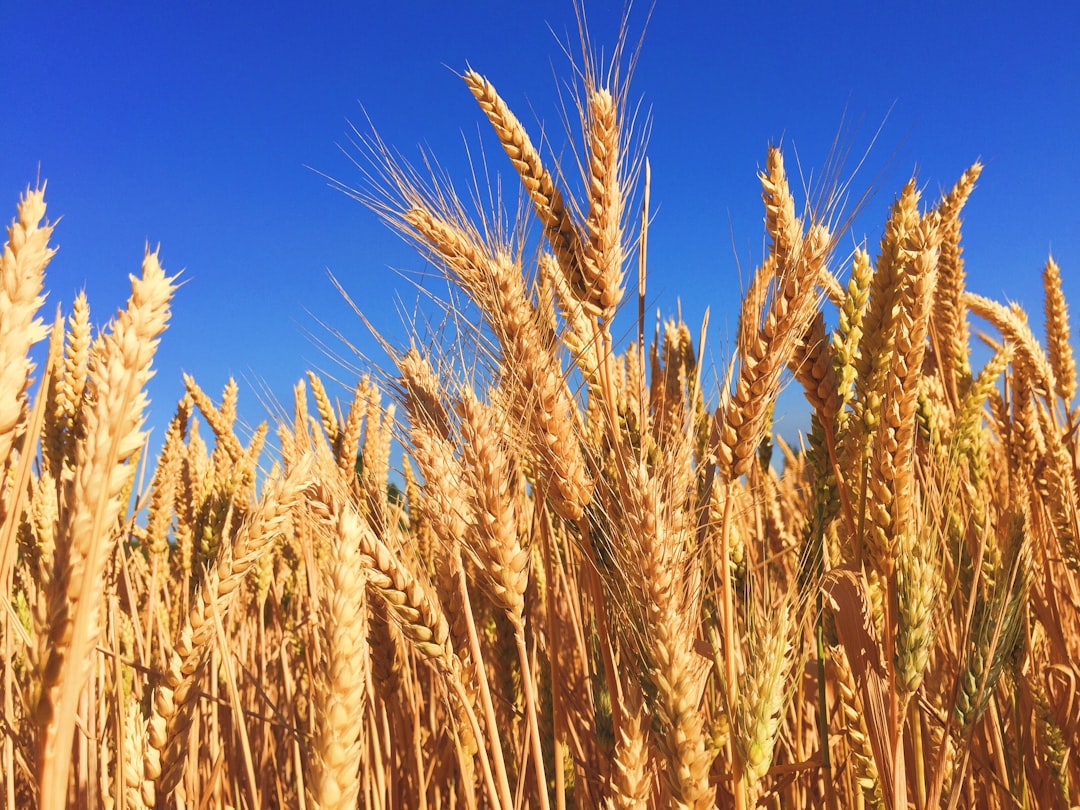
Every August 1st, the same word shoots to the top of search trends: Lughnasadh. People encounter it on pagan social media, in Celtic history articles, or on a friend's calendar, and immediately freeze. Is that "lug-na-sadh"? "Lug-nah-sad"? Something else entirely? The answer surprises almost everyone — because Irish Gaelic plays by rules that have nothing to do with English spelling. Here is everything you need to know to say it confidently before the harvest season is over.
The Correct Pronunciation of Lughnasadh
According to Wikipedia's entry on Lughnasadh, the word is officially transcribed in the International Phonetic Alphabet as /ˈluːnəsə/ — which, spelled out for English speakers, sounds like LOO-nə-sə. Many pronunciation guides offer the slightly fuller anglicised form LOO-nah-sah, which most people find easier to remember and is widely accepted.
Break it into three simple beats:
- LOO — rhymes with "blue" or "shoe." This is the stressed syllable; say it the longest and loudest.
- nah (or "nuh") — a short, unstressed syllable, similar to the "na" in "banana."
- sah (or "suh") — another soft, unstressed syllable. Let it trail off gently.
Put them together: LOO — nah — sah. The whole word lands in about one second of relaxed speech. In Modern Irish, the festival is simply written Lúnasa — the same pronunciation, stripped of all the confusing letters.
Why Does It Look Nothing Like It Sounds?
The gap between spelling and sound is the defining feature of Irish Gaelic, and Lughnasadh is a perfect example. The key rule: in Irish, both "gh" and "dh" are effectively silent. That means the entire visual middle of the word — the "ghn" cluster — and the ending "dh" contribute no audible sound whatsoever. Once you remove those silent letters mentally, you are left with something very close to Lú-na-sa, which is exactly what comes out of a native speaker's mouth.
The word's oldest recorded form is the Old Irish Lugnasad, a compound of Lug (the god Lugh) and násad (assembly). Over centuries the spelling evolved and accumulated silent consonants through orthographic conventions — but the spoken form barely changed. Later spellings included Lughnasa and the full Lughnasadh. In Modern Irish, the simplified spelling Lúnasa — which is also the word for the month of August — reflects how the word has always been spoken.
The 4 Most Common Mispronunciations
English speakers applying their own phonetic rules tend to make the same errors. Watch out for these:
- "Lug-nah-sadh" — treating the "gh" and "dh" as pronounced consonants. Both are silent in Irish Gaelic.
- "Loo-NAH-sah" — stressing the second syllable. The stress always falls on the first syllable: LOO-nah-sah.
- "Lug-nasa" — keeping the hard "g" from the word "lug." The "gh" in Irish is lenited and silent here, not a hard English "g."
- "Loon-uh-sad" — pronouncing the final "dh" as a "d." In Irish, terminal "dh" is silent, so the word ends on a soft "sah/suh" sound, not a hard consonant.
The root cause of nearly all these mistakes is the same: applying English phonetics to a language that follows entirely different consonant rules. As one Irish language blog puts it, the "gh" and "dh" in Irish work just like the silent letters in familiar Irish words — they shape the surrounding vowels but make no sound of their own.
Step-by-Step Practice Guide
- Start with "Luna." The word lunar begins with the exact vowel sound you need: "loo." Say "Luna" out loud a few times to lock that first syllable in place.
- Drop the "r" and add a soft "sah." Instead of "Luna-r," say "Luna-sah." You are now extremely close to the correct pronunciation.
- Reduce the middle syllable. Native Irish speakers make that middle "na" very short and unstressed, almost like a schwa — "LOO-nuh-suh." Both forms (LOO-nah-sah and LOO-nuh-suh) are widely accepted.
- Record yourself. Use your phone's voice memo app to capture your attempt, then play it back. Listen specifically for where your stress lands — it should always be on that first syllable, LOO.
- Listen to a native speaker. The crowd-sourced pronunciation site Forvo has audio from an Irish female native speaker — this is the fastest way to calibrate your ear.
- Use the modern Irish shortcut. If you can say "Lúnasa" (the Modern Irish spelling), you have the pronunciation exactly right. Think of it as the training-wheels version of the full word.
What Is Lughnasadh, and Why Does It Matter in 2026?
Beyond getting the name right, it helps to know what you are actually talking about. Lughnasadh is an ancient Gaelic festival marking the beginning of the harvest season, traditionally observed on August 1st — roughly halfway between the summer solstice and the autumn equinox. It brought communities together for fairs, athletic contests, shared meals, and ceremonies connected to the first crops of the year.
The name translates loosely as "the assembly of Lugh," referring to Lugh, a major figure in Irish mythology associated with skill, craftsmanship, and sovereignty. According to medieval tradition, Lugh established the festival in honor of his foster mother Tailtiu, who died of exhaustion after clearing the plains of Ireland for agriculture. The original celebrations included sporting contests reminiscent of the ancient Olympic Games, along with music, storytelling, horse racing, and trading.
In 2026, Lughnasadh falls on Saturday, August 1st. The festival is observed by Irish, Scottish, and Manx communities and is celebrated worldwide by modern pagans, Wiccans, and anyone who follows the Celtic Wheel of the Year. It is also known by its Anglo-Saxon equivalent, Lammas — a later Christian harvest celebration focused on the blessing of bread baked from the first-harvested grain. Many modern practitioners use both names interchangeably.
It is one of four major Gaelic seasonal festivals — the others being Samhain (SAH-win, late October), Imbolc (IM-bulk, early February), and Beltane (BELL-tayn, early May). If you plan to discuss any of them, it pays to learn all four pronunciations, since each follows the same principle: Irish Gaelic spelling is not a reliable guide to Irish Gaelic sounds.
For a deeper dive into the festival's history and traditions, the National Today guide to Lughnasadh and the Pagan Grimoire's 2026 overview are both solid starting points.
Quick-Reference Pronunciation Card
- Correct: LOO-nah-sah (or LOO-nuh-suh)
- IPA: /ˈluːnəsə/
- Modern Irish equivalent: Lúnasa
- Stress: Always on the first syllable
- Silent letters: "gh" and final "dh" are both silent
- Rhymes roughly with: "Luna saw" without the "w"
FAQ
How do you pronounce Lughnasadh?
Lughnasadh is pronounced LOO-nah-sah (IPA: /ˈluːnəsə/). Stress the first syllable and keep the second and third syllables short and soft. Both the 'gh' and the final 'dh' are completely silent in Irish Gaelic.
Why is Lughnasadh spelled so differently from how it sounds?
Irish Gaelic orthography follows rules that are very different from English. The letters 'gh' and 'dh' are lenited consonants that are silent in this context. The modern Irish spelling, Lúnasa, reflects how the word has always been pronounced and removes the misleading consonants.
Is Lughnasadh the same as Lammas?
They mark the same date (August 1) and the same season, but have different origins. Lughnasadh is the ancient Celtic/Gaelic harvest festival honoring the god Lugh, while Lammas is a later Anglo-Saxon Christian harvest observance centered on blessing bread made from the first grain. Many modern practitioners use both names interchangeably.
When is Lughnasadh in 2026?
Lughnasadh 2026 falls on Saturday, August 1st, as it does every year. It marks the midpoint between the summer solstice and the autumn equinox, traditionally signaling the beginning of the harvest season.
Sources
- Lughnasadh – Wikipedia
- What is the pronunciation of Lughnasadh? – Quora
- Will The Real Lúnasa / Lughnasa / Lughnasadh Please Stand Up? – Irish Language Blog
- Lughnasadh pronunciation – Forvo
- Lughnasadh – National Today
- Lughnasadh 2026: History, Traditions, and How to Celebrate – The Pagan Grimoire
- Lughnasadh 2026: Meaning, Date & Traditions – Eskimo Travel
- How to Say Lughnasadh – How To Say Guide