How to Hide Apps on iPhone Without Deleting Them
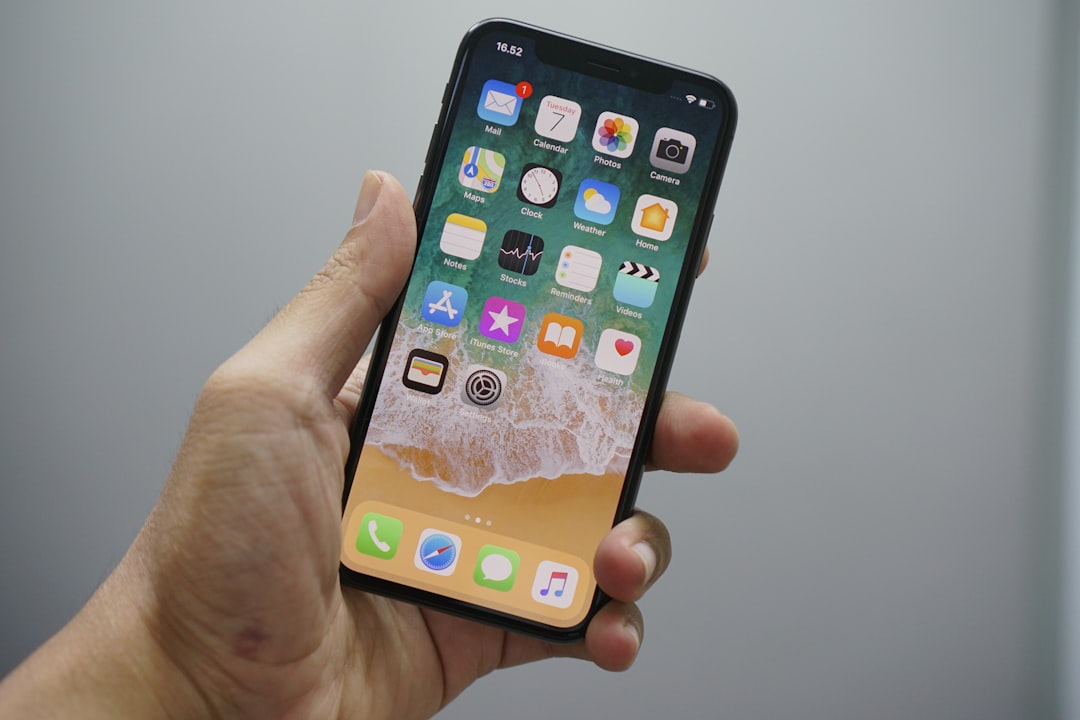
Your iPhone's home screen is essentially your digital front door — and sometimes there are apps behind it you'd rather keep private. Whether it's a banking app you don't want a curious family member to open, a fitness tracker you haven't used in months, or a game you're mildly embarrassed about, hiding apps on iPhone without deleting them is easier than ever in 2026. With iOS 18, Apple finally built a proper, secure hiding system right into the operating system — no workarounds or third-party tools required.
There are several methods available, ranging from a simple home screen clean-up to a biometric-locked hidden folder. Here's a complete breakdown of every approach, who should use each one, and the pitfalls to watch out for.
Method 1: Hide Apps Using the iOS 18 "Hide and Require Face ID" Feature (Most Secure)
This is the gold-standard method for anyone running iOS 18 or later. iOS 18 introduced a dedicated Hidden folder in the App Library with Face ID protection — a clean, native solution that replaces older workarounds. When an app is hidden this way, its icon and name are removed from the Home Screen, and it will not show up in Spotlight searches or Siri suggestions. The app moves to a special locked folder inside your App Library, which only you can unlock with biometrics.
- Locate the app you want to hide on your Home Screen or in your App Library.
- Touch and hold the app icon until the quick actions menu appears.
- Tap "Require Face ID" (or "Require Touch ID" / "Require Passcode," depending on your device).
- Select "Hide and Require Face ID" and authenticate with Face ID, Touch ID, or your passcode.
- Tap "Hide App" to confirm. The app will immediately disappear from your Home Screen.
Important trade-off: While the app is hidden, you will not receive notifications, incoming calls, or critical alerts from it. Your data stays fully intact — but keep this in mind for apps like Messages or a VoIP service. Also note that only third-party apps and App Store downloads can be fully hidden this way. Pre-installed Apple system apps like Calculator, Camera, Clock, and Settings cannot be hidden using this method.
A note on privacy limits: hidden apps may still appear in Settings under iPhone Storage and in your App Store purchase history, so the feature removes them from the everyday interface — not from every system location.
Method 2: Remove an App from Your Home Screen (Quickest)
If you just want to clean up your home screen without adding any security layer, this is the fastest route. The app disappears from your home screen but stays fully installed and accessible through the App Library and Spotlight Search.
- Long-press the app icon you want to hide.
- Tap "Remove App" from the pop-up menu.
- Select "Remove from Home Screen" — not "Delete App," which would uninstall it permanently.
The app disappears from your home screen but remains accessible in the App Library (swipe left past all your home screen pages to find it). It will still appear in Spotlight Search results and Siri suggestions, so this method offers zero security — it's purely for decluttering. Anyone who knows to search for the app name can open it instantly.
Method 3: Hide an Entire Home Screen Page
Got a whole page of apps you want out of sight? You can hide entire home screen pages at once — useful for seasonal apps, rarely used tools, or just achieving a minimalist look. Apps on hidden pages are not deleted; they remain accessible through the App Library, the Search bar, or Siri.
- Long-press an empty spot on your Home Screen to enter edit mode.
- Tap the row of dots just above the dock at the bottom of the screen. This zooms out to show all your home screen pages as thumbnails.
- Uncheck the page(s) you want to hide by tapping the checkmark underneath each thumbnail.
- Tap "Done" to save your changes.
To unhide a page, repeat the process and tap the unchecked circle to restore it. This feature works on iOS 14 and later. For the official Apple guidance, see Apple's support page on finding hidden apps.
Method 4: Bury Apps in a Folder (Low-Tech, No Security)
This classic approach predates iOS 18 and still works on any iPhone. It won't fool anyone tech-savvy, but it can keep apps out of sight at a glance for casual observers.
- Touch and hold any app icon until all icons begin to jiggle.
- Drag the app over another app to create a new folder, or drag it into an existing one.
- Rename the folder something inconspicuous, like "Tools," "Utilities," or "System."
- Swipe right inside the folder to create additional pages and place the app on the last page, making it harder to spot at a glance.
The key limitation: anyone who swipes through the folder or types the app name into Spotlight can still find it instantly. This method makes an app less visible, not truly hidden. You also cannot lock a home screen folder with a passcode or Face ID.
Method 5: Hide Apps Using Screen Time (Best for Parental Controls)
Screen Time is Apple's built-in parental control and app management tool. It lets you restrict access to specific apps — hiding them from both the home screen and the App Library — and lock those settings behind a separate Screen Time passcode. This is particularly useful for managing a child's device or hiding system apps that cannot be hidden through Method 1.
- Go to Settings → Screen Time. Enable it if it's not already on.
- Tap "Content & Privacy Restrictions" and toggle it on.
- Tap "Allowed Apps" and toggle off any apps you want to hide.
- Alternatively, go to Settings → Screen Time → App Limits to set usage restrictions by category.
Using Screen Time to restrict an app not only hides it but can block its usage entirely, which reduces the risk of unintended app launches. Set a Screen Time passcode (different from your regular iPhone passcode) to prevent others from undoing your changes. Learn more at the Apple Screen Time support page.
Bonus: Hide Apps from Spotlight Search and Siri
Even if an app is removed from your Home Screen, it can still surface in Spotlight Search and Siri suggestions. To prevent that, you can disable these appearances without touching the app itself.
- Open Settings and scroll to Siri & Search.
- Tap on the specific app you want to suppress.
- Toggle off "Show App in Search" and "Suggest App".
This ensures the app won't appear when someone types in the search bar or pops up as a Siri recommendation on your Lock Screen or home screen. For a deeper dive into privacy settings, MacRumors has an excellent overview of the iOS 18 hiding options.
How to Unhide Apps and Bring Them Back
Changed your mind? Getting your apps back is straightforward:
- From the Hidden folder (iOS 18): Swipe left past all Home Screen pages to reach the App Library. Scroll to the bottom and tap the "Hidden" folder. Authenticate with Face ID or your passcode. Long-press the app and tap "Don't Require Face ID" to remove its hidden status, then tap "Add to Home Screen" to put it back.
- From the App Library (removed from Home Screen): Swipe left to the App Library, find the app, long-press it, and tap "Add to Home Screen."
- From hidden Home Screen pages: Long-press a blank area, tap the page dots, and tap the unchecked circle to restore the hidden page.
- From Screen Time restrictions: Go to Settings → Screen Time → Allowed Apps and toggle the app back on.
Common Pitfalls to Avoid
- Accidentally deleting instead of hiding: Always choose "Remove from Home Screen" — never "Delete App" — unless you actually want to uninstall it.
- Notifications go silent: When you use the iOS 18 hide feature, the app stops sending notifications entirely. Don't hide your banking or emergency apps without reconsidering this.
- Hidden apps still appear in Screen Time reports: Even fully hidden apps remain visible in Screen Time's activity reports and under Settings → General → iPhone Storage. Keep this in mind if you share your Apple ID or device.
- System apps can't be fully hidden: Apps like Camera, Maps, Settings, and Calculator cannot be hidden using the iOS 18 "Hide and Require Face ID" method. Use Screen Time restrictions for those instead.
- "Hide and Require Face ID" option is missing: This usually means the app is a system app that doesn't support the feature, or your iPhone isn't running iOS 18 yet. Check Settings → General → Software Update.
Hiding apps on your iPhone is about privacy and convenience — not total security. As cybersecurity experts point out, hiding is a good first step, but for truly sensitive data, pair it with a strong passcode, keep iOS updated, and review app permissions regularly in Settings → Privacy & Security. For more advanced privacy guidance, Bitdefender's beginner's guide to iPhone app privacy is worth a read.
FAQ
Does hiding an app on iPhone delete its data?
No. Hiding an app — by any method — does not delete the app or its data. Your account info, saved progress, and settings remain fully intact. Only choosing 'Delete App' removes the app and potentially its data from your device.
Will I still get notifications from a hidden app?
Not if you use the iOS 18 'Hide and Require Face ID' method. Hidden apps stop sending notifications, calls, and alerts while they are in the Hidden folder. If you need notifications, consider just locking the app with Face ID without hiding it, or use the 'Remove from Home Screen' method instead.
Can I hide Apple's built-in apps like Safari, Messages, or Camera?
Not fully. The iOS 18 'Hide and Require Face ID' feature only works on third-party apps and App Store downloads. Pre-installed system apps like Camera, Settings, Calculator, and Maps cannot be hidden this way. You can use Screen Time restrictions to disable and hide some system apps.
Does hiding an app prevent it from appearing in Screen Time reports?
No. Even apps hidden via the iOS 18 Hidden folder still appear in Screen Time activity reports and under Settings → General → iPhone Storage. Hiding removes an app from everyday view, but it does not erase its usage data from the system.
Sources
- If you can't find an app on the Home Screen on your iPhone – Apple Support
- iOS 18: How to Hide Apps on iPhone – MacRumors
- How to Hide Apps on iPhone: 101 Guide for Beginners – Bitdefender
- How to Hide Apps on iPhone: 5 Easy Methods (2026 Guide) – iPhone Tonic
- How to find and unhide Hidden apps on iPhone in iOS 18 – All Things How
- The ultimate guide to hiding apps on your iPhone – ESET
- Use Screen Time on your iPhone – Apple Support